
I spent three weeks last year debating this exact question. My old Honda was on its last legs. I had about fifteen thousand saved up. The used car market was still crazy. Every dealer I called wanted me to finance.
Every friend I asked had a different opinion. My uncle said cash is king. My brother said I was throwing money away by not investing it. I ended up financing. But I also made a mistake. I did not negotiate the price before mentioning my payment method. That cost me about a thousand dollars. I learned the hard way.
Let me save you the trouble. Here is my honest take on whether to buy a used car with cash or finance. No fluff. No bias. Just real numbers and real experience.
Used Car With Cash or Finance: Which Is Better in 2026?
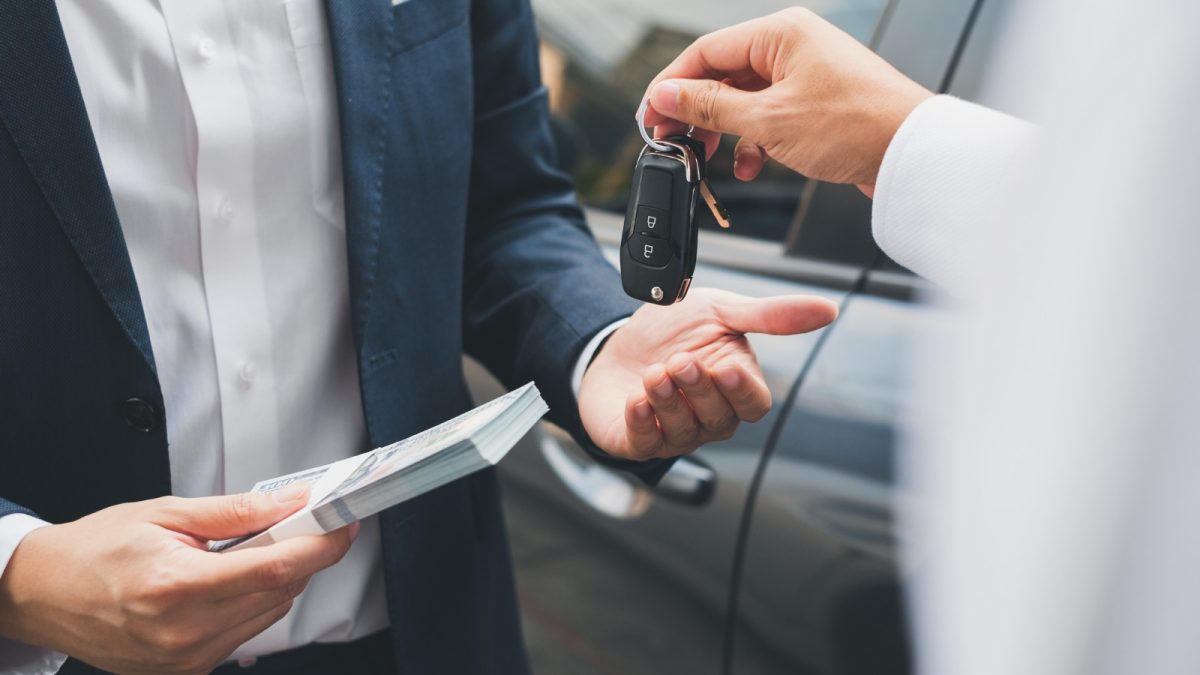
The average used car price is around $26,000 right now. That is a lot of money. Most people do not have that lying around. But even if you do, paying cash is not always the smartest move.
Read Also: How to Check Battery Health On Used EV before Buying Tesla?
Here is the thing. Cars lose value fast. A new car drops 20 to 30 percent in the first year. Used cars depreciate slower, but they still go down. When you pay cash, you are tying up your money in something that is going down in value.
That is the opportunity cost. That $26,000 could be sitting in an investment account earning 7 or 8 percent. Or it could be your emergency fund. If you spend it all on a car, it is gone.
But financing is not free either. Interest rates are high right now. The average used car loan interest rate is around 14.3 percent . On a $26,000 loan over five years, that adds up. You could pay over $8,000 in interest alone.
So what do you do?
When to Pay Cash for a Used Car?
Paying cash makes sense in certain situations. I will walk you through them.
You Want to Avoid Debt
Some people hate owing money. I get it. The peace of mind from owning your car outright is real. No monthly payments. No risk of repossession. If you lose your job, your car is still yours .
You Want to Save Money on Interest
Interest adds up fast. The numbers speak for themselves. If you borrow $20,000 at 14 percent for five years, you pay about $8,000 in interest. That is $8,000 you could have saved . Paying cash eliminates that completely.
You Have Enough Savings Left Over
This is the big one. Financial advisers say you should keep three to six months of expenses in an emergency fund . If paying cash for a car drains your savings below that level, do not do it. You will be one bad month away from disaster.
You Are Buying a Cheap Car
If you are buying a used car for $5,000 or $6,000, financing does not make much sense. The loan would be small. The interest would be manageable. But why bother? Just pay cash and move on.
When to Finance a Used Car?
Financing is not always bad. Sometimes it is the smarter move.
You Can Invest the Cash Instead
This is the opportunity cost argument. Say you have $20,000 in savings. You can either buy a car with it or invest it.
You Must Also Like: Used EV Market Boom: Why 2026 Is the Right Time to Buy?
If you finance the car at 10 percent interest and invest the cash at 12 percent, you come out ahead . The investment grows faster than the interest on the loan. You are essentially making money by borrowing.
But this only works if you actually invest the money. Most people do not. They spend it. Be honest with yourself about your discipline.
You Want to Build Credit
Financing a car is one of the best ways to build credit. Making regular, on-time payments shows lenders you are reliable . Payment history makes up 35 percent of your credit score. A car loan can boost your score significantly.
I financed my first car for this exact reason. My credit score went from 650 to 740 in two years. That saved me thousands on my mortgage later.
The Interest Rate Is Low
Sometimes dealers offer zero-percent financing on new cars. Used cars do not usually get that. But you can sometimes find rates under 5 percent. If you do, financing is almost always better than paying cash.
Your money can earn more in a savings account than you are paying in interest. That is free money.
You Want a Better Car
Financing lets you afford a car that is out of your cash price range. That can mean a safer car. A more reliable car. A car that will last longer.
If paying cash forces you into an older, higher-mileage car, financing might be the better long-term choice. Repair costs on an old car can eat up all the money you saved by not financing.
The Hidden Costs of Each Option
Cash Buyers: Do Not Tell the Dealer Too Early
Here is a mistake I made. Dealerships make money on financing. They get commissions from lenders. If you tell them you are paying cash, they lose that profit.
Some dealers will try to make up for it by raising the car price. Or they will be less willing to negotiate.
The fix: Never mention cash until you have agreed on a price. Tell the salesperson, "I do not know if I am going to pay cash or finance until I hear all the options". Negotiate the out-the-door price first. Then talk payment.
Finance Buyers: The Total Cost Trap
Financing makes a car seem cheaper than it is. The monthly payment might be $400. That sounds manageable. But over five years, you are paying $24,000. Plus interest. Plus insurance.
The fix: Look at the total cost, not the monthly payment. Use a car loan calculator to see exactly what you will pay over the full term . If the total cost makes you uncomfortable, you cannot afford that car.
The Indian Context: Cash Rules and Tax Implications
In India, buying a car with cash comes with some extra baggage.
You Cannot Pay More Than 2 Lakh in Cash
Under income tax rules, you cannot pay 2 lakh or more in cash to one person in a day for a high-value item like a car. Payments above that limit must be made through banking channels. UPI. Cheque. Bank transfer.
If you try to pay more than 2 lakh in cash, the seller legally cannot accept it.
Tax Collected at Source on Expensive Cars
In India, if you buy a car with an ex-showroom price above 10 lakh, the seller must collect 1% tax at source (TCS). This applies to both cash and financed purchases. The 1% is added to your total cost.
Here is the calculation. Say the ex-showroom price is 12 lakh. The TCS would be 12,000. This does not include registration, insurance, or road tax. Always ask for the on-road price. That is the actual amount you will pay.
You can claim credit for this TCSwhen you file your income tax return . So it is not an extra cost in the long run. But you need the cash upfront.
Financing Does Not Avoid These Rules
Whether you pay cash or finance, the TCS still applies. The dealer collects it from you at the time of purchase . Financing does not change that.
The Smartest Strategy: A Hybrid Approach
The best option is rarely all cash or all finance. Here is what I recommend instead.
Make a large down payment.
Put down 20 to 30 percent of the car price . This lowers your loan amount. It reduces your monthly payment. It reduces your total interest. And it gives you instant equity in the car.
Finance the rest only if the rate is reasonable.
If the interest rate is below 7 percent, financing makes sense. Your money can do more elsewhere. If the rate is above 10 percent, reconsider. Pay more cash if you can.
Keep your emergency fund intact.
Never drain your savings completely. Keep three to six months of expenses in the bank . If buying the car would wipe out your emergency fund, you cannot afford that car.
Invest what you do not spend.
If you finance, actually invest the cash you are not spending. Do not let it sit in a checking account. Put it in a mutual fund. Put it in a fixed deposit. Make it work.
The Final Thoughts
I financed my used car. The interest rate was 6.5 percent. My investment account was earning around 10 percent. I came out ahead financially. But I also negotiated poorly because I mentioned cash too early.
I should have waited. I should have gotten the price down first. Then I could have decided. If I could do it again, I would go in with pre-approved financing from my bank. Then I would negotiate the car price without mentioning payment. Once the price was set, I would compare the dealer's offer with my bank's offer. Then I would decide.
That is my advice to you. Keep your options open. Do not tip your hand. Run the numbers. And never, ever drain your savings for a car.
A car is transportation. It is not an investment. Make the choice that protects your financial health, not your ego.