You walk into a showroom. You see a car with a price tag that fits your budget perfectly. You get excited. Then the dealer hands you the final bill. It is much higher than you expected. You feel confused.
This happens to almost every first-time car buyer. The difference between the advertised price and the final price catches you off guard. The key to understanding this is knowing the difference between ex-showroom price and on-road price. Let me break it down for you in plain language.
What is Ex-Showroom Price?
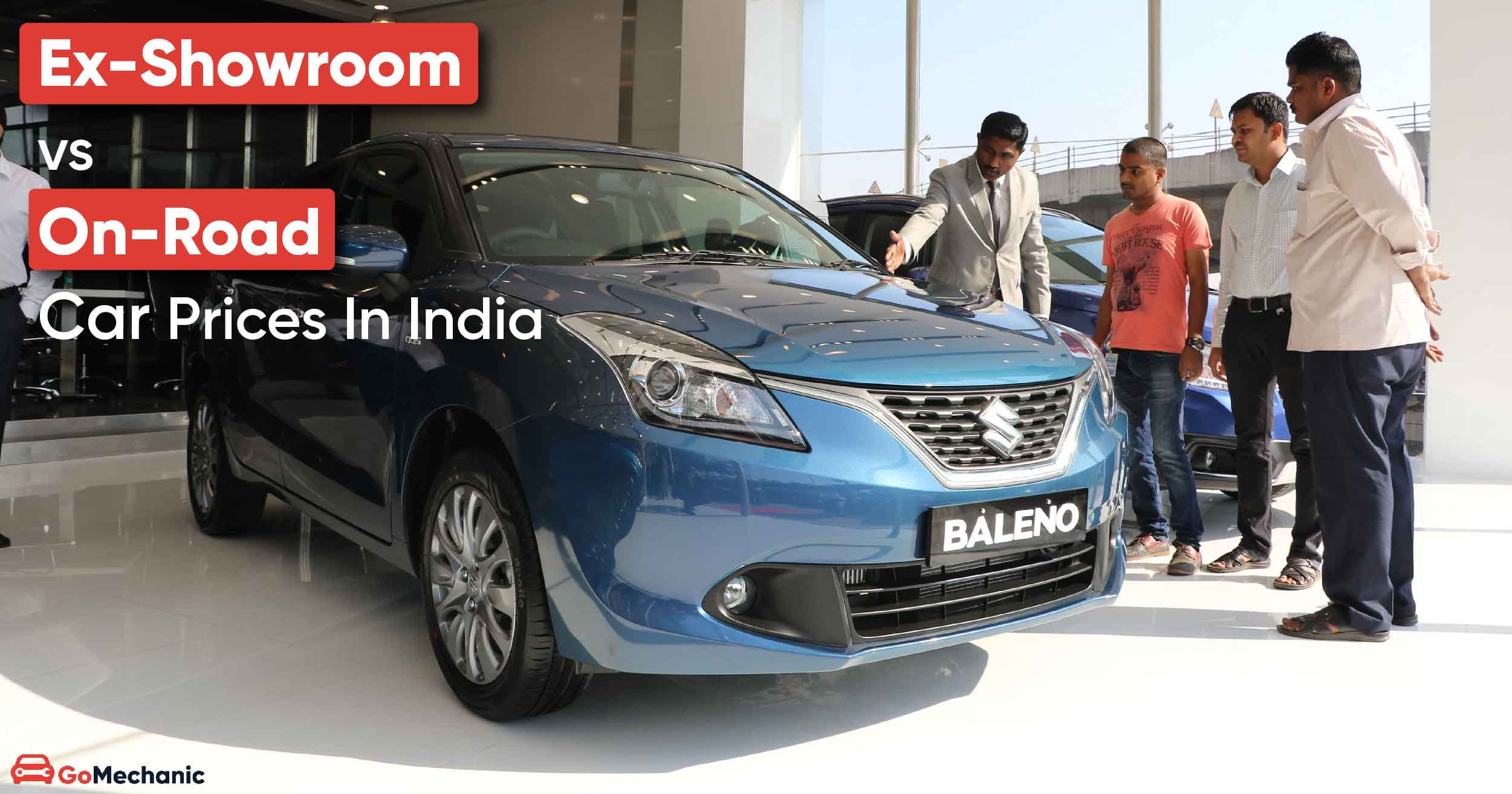
Ex-showroom price is the base price of the vehicle set by the manufacturer. It is the cost of the vehicle as it leaves the showroom. This price includes the manufacturing cost, GST, and the dealer's profit margin.
Read Also: Is It Better to Buy a Used Car With Cash or Finance?
Here is what is included in the ex-showroom price:
-
Factory production cost
-
GST (already included in the price)
-
Dealer's margin (the dealer's profit is baked in)
-
Logistics and transportation cost to bring the vehicle from the factory to the showroom
What is NOT included:
-
Road tax
-
RTO registration charges
-
Insurance
-
Handling charges
-
Number plate and Fastag costs
The ex-showroom price is useful for comparing two different vehicles. But it is not the amount you will actually pay. That is where the on-road price comes in.
What is On-Road Price?
On-road price is the final amount you pay to drive the vehicle legally on Indian roads. This is the number that matters for your budget. This is what comes out of your pocket.
The on-road price is always higher than the ex-showroom price. The difference is typically 10-15% for cars and 15-20% for bikes. For luxury vehicles, the gap can be even larger.
The Hidden Charges: What Makes Up the Difference?
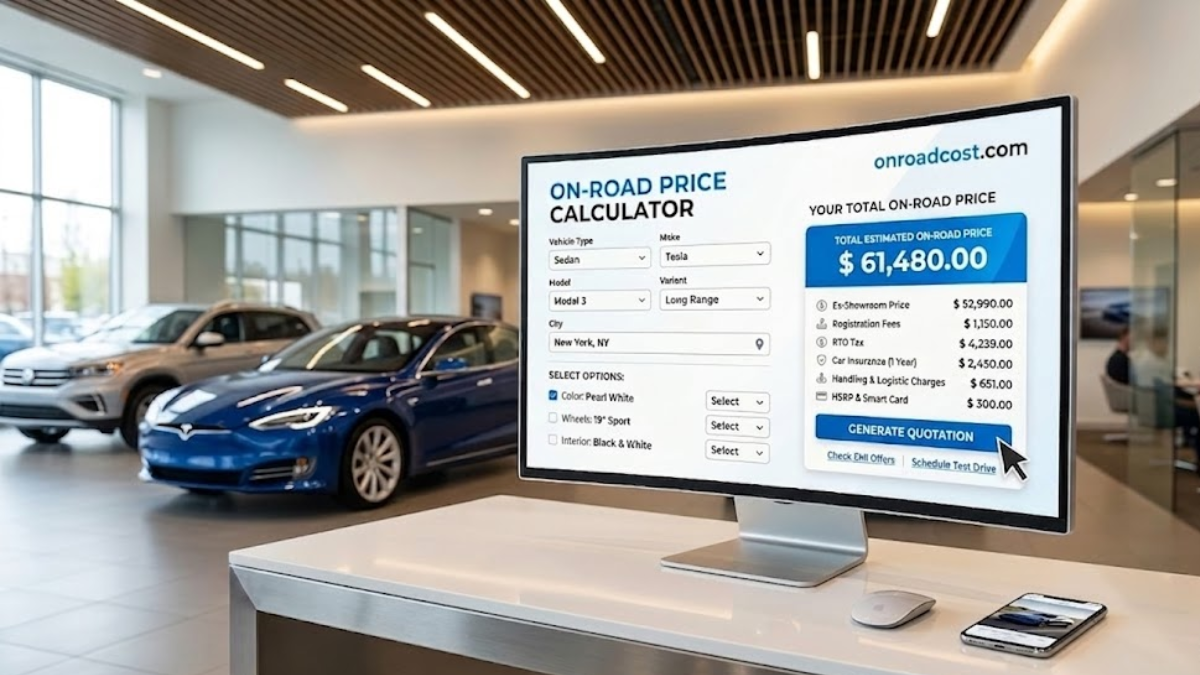
Let me walk you through every charge that turns the ex-showroom price into the on-road price. Some of these are mandatory. Others are optional but often pushed by dealers.
You Must Also Like: Used EV Market Boom: Why 2026 Is the Right Time to Buy?
1. Road Tax
Road tax is the largest contributor to the price difference. This is a one-time tax paid to the state government. The rate varies from state to state.
Here is how road tax differs across states:
-
Delhi: 10% for petrol vehicles above 10 lakh, 12.5% for diesel vehicles
-
Maharashtra: 11% for cars below 10 lakh, 13% for cars above 10 lakh
-
Karnataka: Up to 15%, one of the highest in India
-
Goa: 4-6% (much lower than other states)
This is why the same car costs different amounts in different cities. The ex-showroom price is the same everywhere. But road tax changes the final number significantly.
For example, a Hyundai Creta with a 10.79 lakh ex-showroom price costs about 12.60 lakh on-road in Delhi. The same car costs nearly 13.36 lakh in Bangalore. That is a difference of about 76,000 just because of road tax.
2. RTO Registration Charges
You cannot drive an unregistered vehicle. Every new vehicle must be registered at the Regional Transport Office (RTO). The dealer usually handles this paperwork for you and adds the cost to your bill.
Registration charges include:
-
Smart card fee (digital registration certificate)
-
Number plate charges (300-500 for standard plates)
3. Insurance
Motor insurance is mandatory in India. You cannot drive on public roads without at least third-party insurance. Dealers often have tie-ups with insurance companies. They will offer you a policy.
Here is what you need to know about insurance costs:
-
Third-party insurance: The minimum required, starts at about 2,000 for small cars
-
Comprehensive insurance: Covers theft, accidents, and natural disasters. Costs about 3-4% of the car's value
-
Dealer markup: Dealers often quote higher insurance premiums to earn commissions. You can usually find a better deal if you buy insurance independently
You can negotiate on insurance. If the dealer quotes 35,000, you might find the same coverage for 22,000 from another provider.
4. Handling Charges
Transporting the vehicle from the factory to the showroom costs money. Dealers sometimes add handling or logistics charges of 3,000 to 5,000.
Trending Post: Who Buys Junk Cars? | Get the Best Cash Offers for Your Old
However, consumer courts have ruled that mandatory handling charges are not permissible. If the dealer tries to charge you for this, push back.
5. Tax Collected at Source (TCS)
If the ex-showroom price of the vehicle exceeds 10 lakh, the dealer charges a TCS of 1% on the ex-showroom price.
6. Hypothecation Charges
If you are taking a loan or financing the vehicle, you will have to pay hypothecation charges. This is the fee for registering the bank or finance company's interest in the vehicle until the loan is fully paid.
7. Fastag and Number Plate
The government has made Fastag and high-security number plates mandatory for all new vehicles. The dealer will include these costs in your final bill.
8. Extended Warranty
This is optional. The manufacturer provides a standard warranty. You can choose to extend it by paying extra. This cost will be added to your on-road price. An extended warranty can also help with the vehicle's resale value.
9. Annual Maintenance Package
Many dealers offer an annual maintenance package that includes cleaning, polishing, servicing, and roadside assistance. This is optional. If you take it, the cost will increase your on-road price.
10. Accessories
This is where dealers can really add to your bill. Essential accessories like floor mats and seat covers are often pushed on buyers. The prices at the dealership are usually much higher than what you would pay elsewhere.
One buyer reported being charged 15,000 for "premium floor mats" that were available online for 5,000.
Optional accessories like GPS navigation, ceramic coating, and anti-rust coating can also add thousands to your final bill. Most of these are unnecssary for modern cars. You can politely decline.
Real-World Example: Yamaha YZF-R2 M
Here is a practical example of how ex-showroom and on-road prices differ across cities. The Yamaha YZF-R2 M has an ex-showroom price of 2.53 lakh in all cities. But the on-road price varies significantly.
| City | On-Road Price |
|---|---|
| Delhi | 2,86,184 |
| Mumbai | 2,93,774 |
| Kolkata | 2,91,244 |
| Chennai | 2,96,304 |
| Bangalore | 3,16,493 |
The difference between Delhi and Bangalore is over 30,000. The ex-showroom price is the same. The state taxes are different.
What Does This Mean for You?
Here is my honest advice based on what I have learned.
Always ask for the on-road price. Do not budget based on the ex-showroom price. You will be disappointed. The ex-showroom price is just a starting point. It is useful for comparing vehicles. But the on-road price is what you actually pay.
Get an itemised quotation. Ask the dealer for a written breakdown of every charge. Make sure you understand what you are paying for. The Road tax, registration charges, and insurance will be listed separately.
Negotiate on insurance. This is your biggest opportunity to save money. Dealers mark up insurance premiums significantly. Compare prices online. Ask the dealer to match the lower price. If they refuse, buy the insurance yourself.
Say no to unnecessary accessories. Dealers will try to sell you floor mats, seat covers, and coatings at inflated prices. You can buy these yourself for much less. Decline politely and stick to what you need.
Check state taxes carefully. If you live in a high-tax state like Karnataka or Maharashtra, the same car will cost you significantly more than in Delhi or Goa. Keep this in mind when you are comparing prices.
Quick Reference Table
| Component | Included in Ex-Showroom | Included in On-Road | Mandatory/Optional |
|---|---|---|---|
| Vehicle cost + GST | Mandatory | ||
| Dealer margin | Mandatory | ||
| Road tax | Mandatory | ||
| RTO registration | Mandatory | ||
| Insurance | Mandatory | ||
| TCS (if >10 lakh) | Mandatory | ||
| Hypothecation (if loan) | Mandatory | ||
| Fastag + number plate | Mandatory | ||
| Handling charges | Sometimes | Should be included in dealer margin | |
| Extended warranty | If opted | Optional | |
| Accessories | If opted | Optional | |
| Maintenance package | If opted | Optional |
The ex-showroom price shows you the vehicle's base value. The on-road price shows you the actual cost of ownership. Understanding this difference saves you from financial surprises.
It also helps you negotiate better. Walk into the showroom informed. Ask the right questions. And do not let the dealer push you into paying for things you do not need.