
The hunt for upcoming hybrid cars in India 2026 is heating up. Petrol costs keep pinching. Diesel feels risky now. Most people I talk to want better mileage but aren't ready for an EV yet.
Charging points are still scarce in many neighborhoods. That's the gap hybrids fill. I've driven a few of these systems. I've also spoken to owners who live with them daily.
Here's what I found about the best mileage hybrid cars in India heading our way.
Top Upcoming Hybrid Cars in India 2026
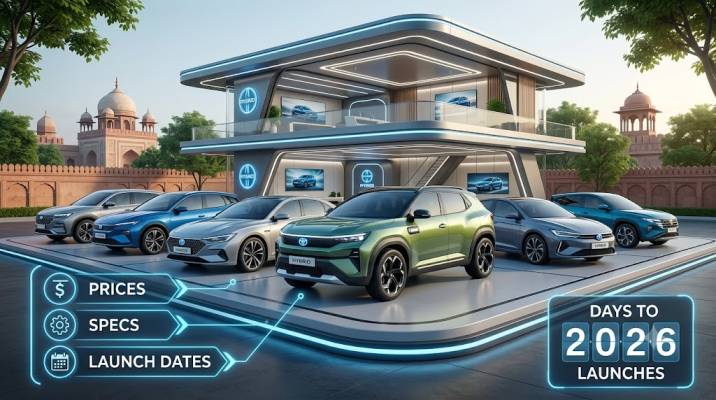
Kia Sorento Hybrid – A Premium People Mover That Sips Fuel
Kia finally brings a hybrid here. The Sorento lands around September 2026. Expect a sticker near 40 lakh.
Read Also: 2026 Tata Tiago Facelift: Expected Launch Date, Price And Features
Under the hood sits a 1.6 turbo-petrol working with an electric motor. Together they push out roughly 238 PS and 380 Nm. That's plenty for a family hauler. All-wheel drive is on the menu too.
Inside you get twin 12.3-inch screens, ventilated seats, a big sunroof, and Level 2 driver assists. Kia already builds these at their Anantapur plant.
Here's the real talk. This isn't a budget pick. At 40 lakh, it fights the Fortuner and Kodiaq. If every rupee of mileage matters, look elsewhere. But if you want a three-row SUV that burns less fuel than a diesel in city traffic, this works.
Who should wait for it: Buyers who want premium kit and don't flinch at the price.
Toyota Innova Hycross Facelift – Still the Family Favourite
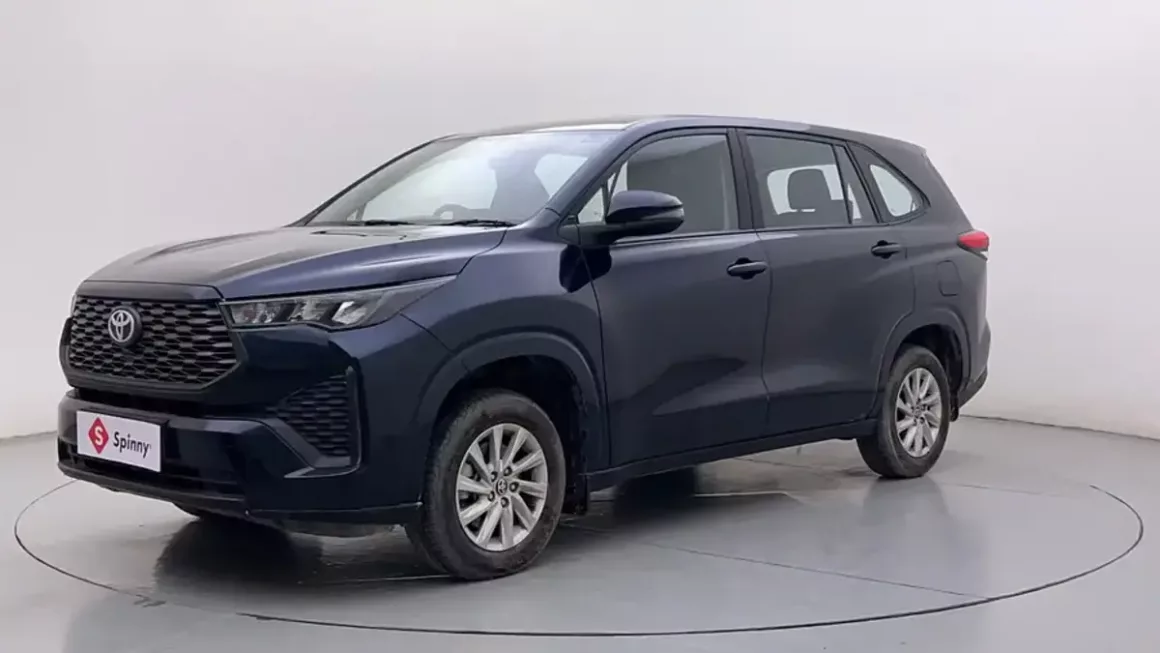
The Hycross gets a nip and tuck around October 2026. Prices should stay close to the current 26.76 lakh to 32.95 lakh band.
Changes stay mostly cosmetic. A taller front end. Slimmer LED headlamps. A grille that borrows from the Hilux. The hybrid heart stays put.
That means a 2.0 petrol paired with an electric motor making 184 PS. The e-CVT sends power smoothly. Owners I've spoken with report around 19 kmpl in city runs. Highway figures touch 24 kmpl.
That's proper efficiency for a seven-seater carrying eight people and luggage. The system runs on electric alone for roughly 40% of city distance. That's a big chunk of slow traffic handled without burning petrol.
Where it stumbles: It's not cheap. And while the battery carries an 8-year warranty, long-term owners should budget for eventual attention.
Who should wait for it: Big families doing serious highway miles who want diesel-like economy without diesel drama.
Maruti Suzuki Fronx Series Hybrid – The Mileage Champion in Waiting
This one genuinely grabs my attention. Maruti's series hybrid works unlike Toyota's setup. The 1.2 Z12E petrol engine never drives the wheels. It only makes electricity. The electric motor does all the pushing.
You Must Also Like: Upcoming Affordable Electric Cars for 2026 and Beyond
Why does that matter? In stop-and-go traffic, the engine hums along at its sweet spot. The result, Maruti claims, is 35 to 40 kmpl in test conditions. If that holds in real life, the Fronx becomes India's most fuel-efficient car. Full stop.
Test mules have been spotted with LiDAR gear. That points to Level 2 ADAS arriving too.
Where it stumbles: Series hybrids love the city. On open highways at steady speeds, the advantage shrinks. Performance will also feel modest. Maruti chases mileage here, not thrills.
Who should wait for it: City commuters stuck in daily crawl.
Mahindra XUV 7XO Hybrid – Muscle Meets Mild Electrification
Mahindra joins the hybrid race with the XUV 7XO around November 2026. Pricing hasn't surfaced yet.
The recipe pairs the existing 2.0 turbo-petrol with an electric motor and a small battery. This allows brief electric-only runs and better city economy. Mahindra hasn't shared exact output or battery size.
Where it stumbles: Mahindra's turbo-petrols favour punch over parsimony. The hybrid helps, no doubt. But don't expect Fronx-level numbers. This is about trimming bills while keeping the XUV's spirited nature.
Who should wait for it: Drivers who want an SUV that feels quick without gulping petrol like a conventional turbo.
Renault Duster Strong Hybrid – The Value European
Renault brings the Duster back before Diwali 2026. Expect a price near 20 lakh.
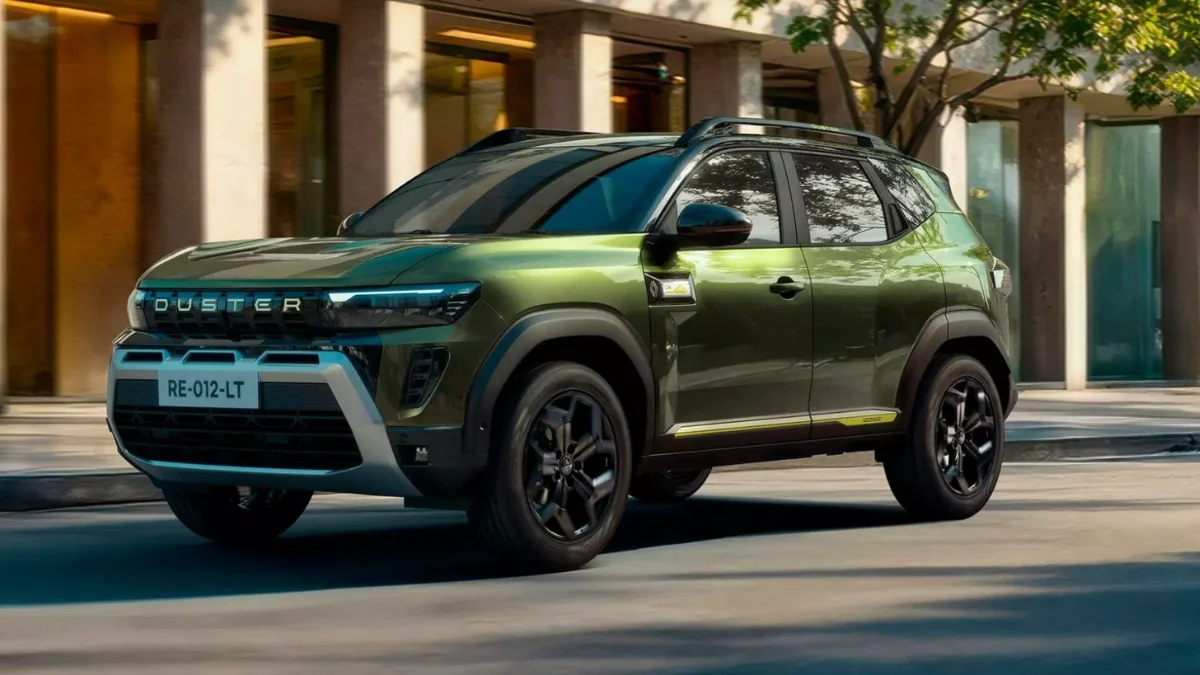
A 1.8 petrol pairs with two electric motors and a 1.4 kWh battery. Output stands at 158 bhp and 172 Nm.
The Duster has always been a practical, no-fuss SUV. Adding hybrid power could make it a serious value play against the Hyryder and Grand Vitara.
Where it stumbles: Renault's service reach trails Maruti and Toyota. If you live in a smaller town, check local support first.
Who should wait for it: Buyers who want European driving feel and hybrid efficiency without Toyota pricing.
Plug-In Hybrids Are Coming Too
If you want to plug in and run electric for short hops, 2026 delivers options.
BYD Seal U DM-i arrives by end of 2026. Expect 45-50 lakh. It claims over 1,200 km combined range and roughly 70 km of pure electric range.
Jetour T2 PHEV lands around Diwali 2026. Expect 30-38 lakh. It offers 139 km of electric-only range and a rugged, Defender-inspired look.
Where it stumbles: PHEVs only pay off if you actually plug them in. Skip that habit and you're hauling a heavy battery for nothing. These also cost a bomb. The Seal U tops most luxury sedans.
How to Choose Without Regret?
If mileage is your only goal: Wait for the Maruti Fronx Series Hybrid. 35+ kmpl claimed at that price is unheard of.
If you need seven seats: The Innova Hycross facelift stays the benchmark. Proven, reliable, and backed by a solid battery warranty.
If you want premium feel with hybrid efficiency: The Kia Sorento deserves a look, but only if 40 lakh fits your budget.
If new tech makes you nervous: Stick with the Maruti Grand Vitara or Toyota Hyryder. They share the same proven strong hybrid system, claim 27.97 kmpl, and carry eight-year battery warranties. The Grand Vitara starts near 16.6 lakh. The Hyryder near 17.18 lakh.
One practical tip: Hybrids save the most in city driving. If your daily run is mostly highway cruising at 100 kmph, a diesel or even a well-tuned petrol might cost less overall. Hybrids shine when the engine shuts off often and the electric motor does the heavy lifting.
Quick Comparison
| Model | Expected Launch | Expected Price | Key Strength |
|---|---|---|---|
| Kia Sorento Hybrid | Sept 2026 | 40 lakh | Premium 3-row, AWD |
| Toyota Innova Hycross Facelift | Oct 2026 | 27-33 lakh | Proven reliability, 7-8 seats |
| Maruti Fronx Series Hybrid | Late 2026 | 10-15 lakh | 35+ kmpl claimed |
| Mahindra XUV 7XO Hybrid | Nov 2026 | TBA | SUV performance + hybrid |
| Renault Duster Hybrid | Pre-Diwali 2026 | 20 lakh | Value European SUV |
| BYD Seal U DM-i | End 2026 | 45-50 lakh | 70 km EV range |
| Jetour T2 PHEV | Diwali 2026 | 30-38 lakh | 139 km EV range |
The Final Thoughts
The hybrid market here is finally getting crowded. That's good news for buyers. You no longer have to pick between a Toyota and a Maruti for strong hybrid tech. Kia, Mahindra, Renault, and even Chinese brands are joining.
Wait six months if you can. By then, early owners will share real-world mileage data. That beats any ARAI figure. Hybrids are complex machines. You don't want to be the guinea pig for a brand-new system with no track record.