
The best hybrid car models for frequent stop-and-go city traffic are the ones that spend the most time in electric mode. That is the whole game. A strong hybrid recovers energy every time you brake, then uses it to creep forward silently at low speeds.
The more stop-and-go your commute, the more that system pays you back. I have watched the mileage gap between hybrids and petrol cars widen in exactly the conditions where most Indians drive.
A petrol SUV that returns 10 kmpl in traffic will struggle. A strong hybrid in the same traffic can double that figure. The Renault Duster Strong Hybrid claims 29 kmpl and says up to 80% of city driving can happen in pure EV mode.
Why Stop-And-Go Traffic Is Where Hybrids Win?
A petrol engine is least efficient when it idles. Traffic lights, crawling queues, repeated stops. The engine burns fuel and moves nothing. A strong hybrid shuts the engine off at low speeds.
Read Also: 2026 Ford Maverick Hybrid AWD Towing Capacity Guide
The electric motor takes over. When you brake, the motor becomes a generator and captures energy that would otherwise become heat. That energy goes back into the battery. The next time you accelerate, the motor uses it.
The real-world evidence: A Honda City e:HEV owner in Mumbai reported 23-25 kmpl in daily city driving. The official ARAI figure is 27.26 kmpl. The gap exists because traffic varies. But the owner's number is still far above what a petrol sedan delivers in the same conditions.
The limitation: This only works with a strong hybrid. Mild hybrids (48V systems) assist the engine but cannot drive the car on electric power alone. They save fuel. They do not transform city mileage. The models below are all strong hybrids or plug-in hybrids.
1. Renault Duster Strong Hybrid: The City Specialist
The Duster Strong Hybrid is the most fuel-efficient self-charging hybrid on sale in India. ARAI figure: 29 kmpl.
Why it works in traffic: Renault claims up to 80% of city driving can be completed in pure electric mode under suitable conditions.
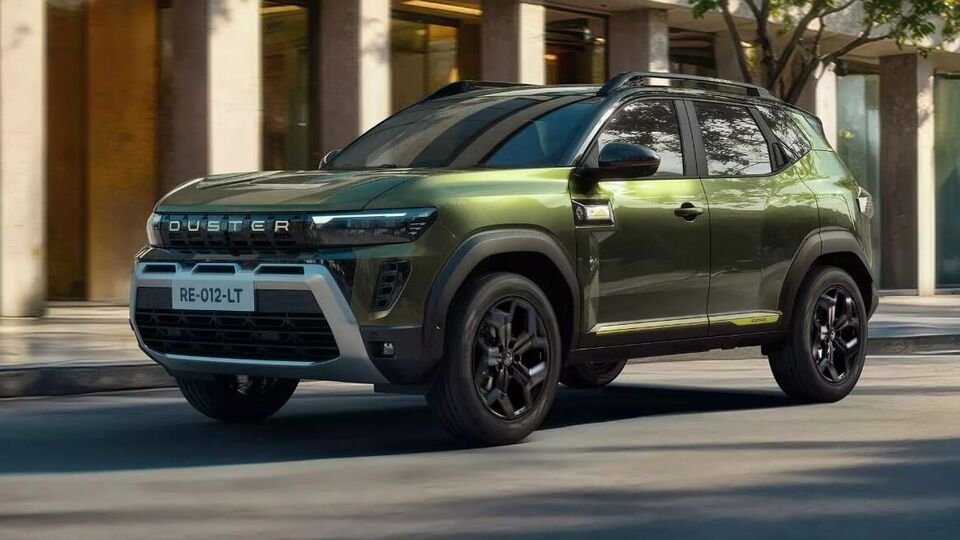
The system uses a 1.8-litre petrol engine, two electric motors, and a 1.4 kWh battery. The multi-mode gearbox has two electric gears and four petrol gears, allowing smooth switching between power sources.
The price: Starts at 16.99 lakh ex-showroom.
The honest caveat: "Suitable conditions" matters. The 80% figure assumes moderate traffic and a charged battery. In gridlock with air conditioning blasting, the engine will run more often. The Duster is still the most efficient option, but do not expect 29 kmpl in the worst jams.
Who it is for: Buyers who want maximum city mileage from a self-charging hybrid and do not want to plug in.
2. Maruti Suzuki Victoris Strong Hybrid: The Value Pick
The Victoris Strong Hybrid claims 28.65 kmpl, the second-highest figure on this list.
Why it works in traffic: It uses the same 1.5-litre three-cylinder petrol engine and electric motor setup found in the Grand Vitara. The strong hybrid system runs on electric power at low speeds and under light loads. In city traffic, that means the engine stays off more often than it runs.
You Must Also Like: Hybrid Car Models in Demand: Top Eco-Friendly Cars Trending
The price: The strong-hybrid range starts at 16.43 lakh and goes to 19.99 lakh ex-showroom. The base mild-hybrid Victoris starts much lower, but that version does not deliver the same city efficiency.
The honest caveat: The Victoris is an SUV. It sits higher and weighs more than a sedan. The Honda City below might return similar real-world city mileage despite a lower ARAI figure, because the sedan is lighter and more aerodynamic. Test drive both if city mileage is your only priority.
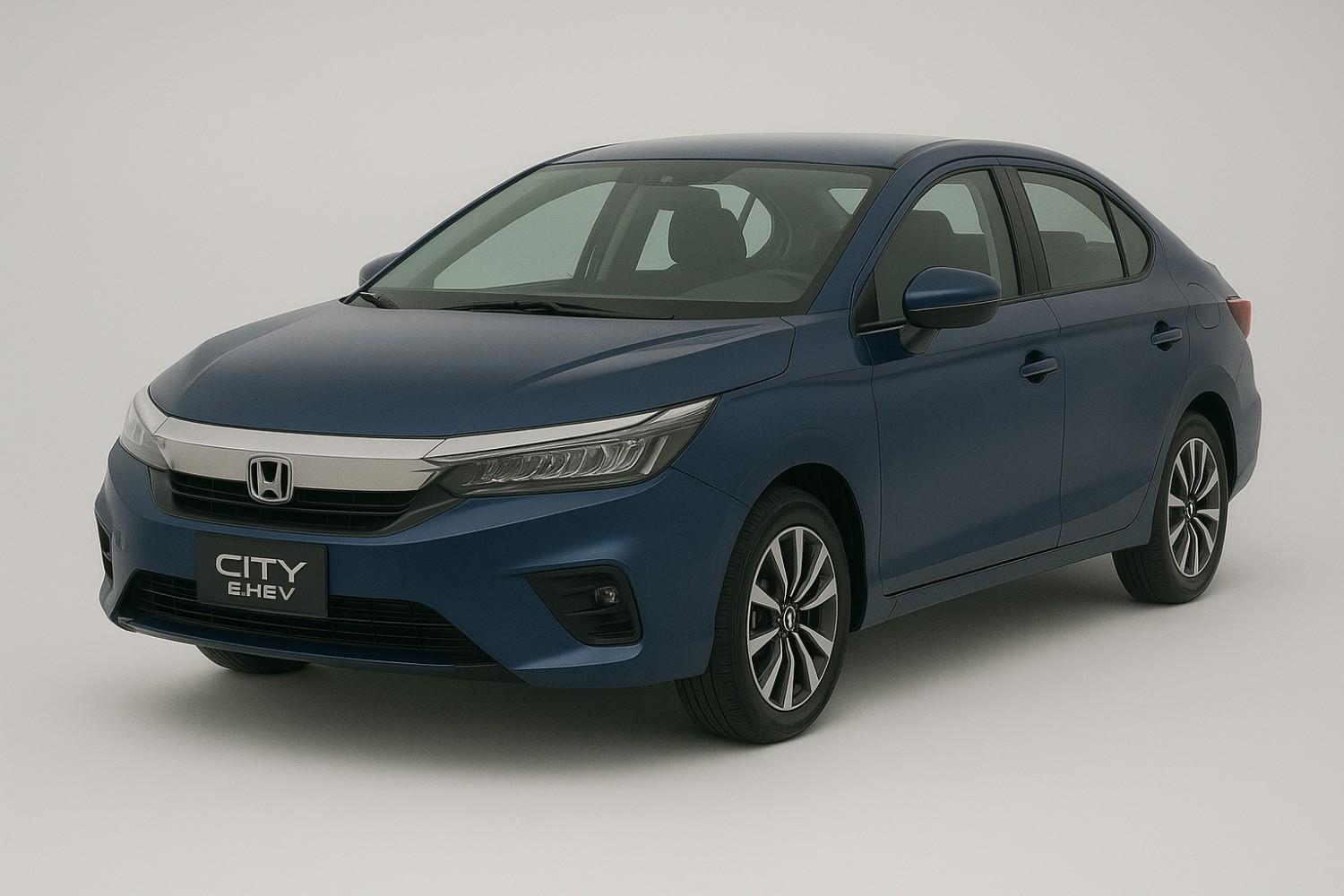
3. Honda City e:HEV: The Sedan That Thrives in Traffic
The City e:HEV claims 27.26 kmpl. It is the only sedan on this list.
Why it works in traffic: Honda's two-motor system is designed for exactly this. At low speeds, the petrol engine acts as a generator. The electric motor drives the wheels.
The engine does not connect to the wheels directly until highway speeds. In stop-and-go traffic, the City feels like an EV. Silent. Smooth. No gear shifts.
The real-world evidence: TopGear India's long-term tester recorded 23-25 kmpl on a city loop. A CarWale owner in Mumbai reported the same range. Those are real numbers from real traffic, not lab figures.
The price: The e:HEV variant sits at the top of the City range. It costs more than the petrol version. The fuel savings take years to recover the price gap.
Who it is for: Buyers who want a sedan, value refinement, and do most of their driving in the city. The City e:HEV is quieter and smoother in traffic than any SUV on this list.
4. Maruti Suzuki Grand Vitara and Toyota Urban Cruiser Hyryder: The Twins
Both claim 27.97 kmpl. They share the same platform, engine, and hybrid system.
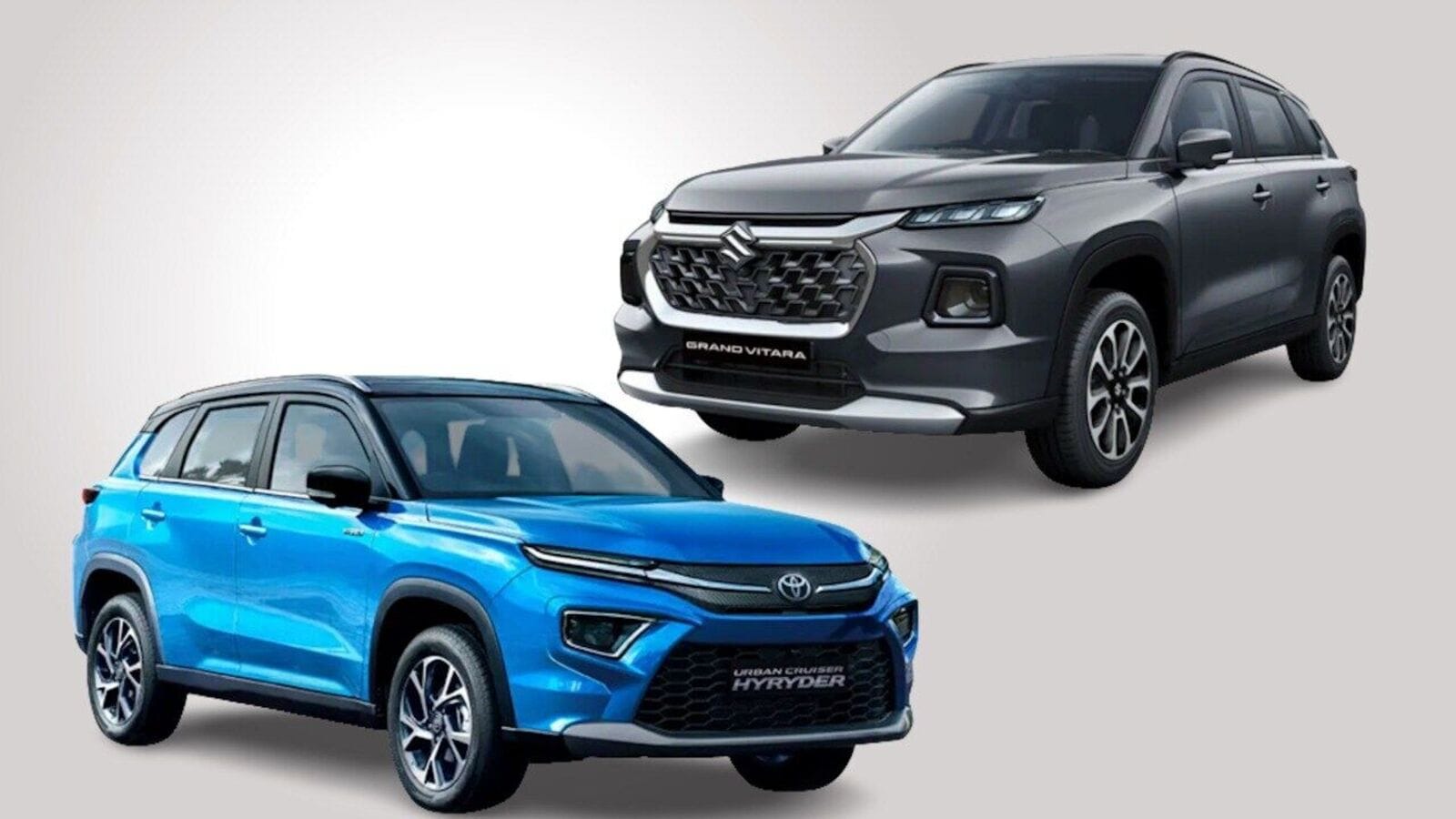
Why they work in traffic: The 1.5-litre Atkinson-cycle engine and electric motor allow short EV-only bursts at low speeds. The system recovers energy during braking. In city conditions, the engine cycles on and off as needed. The efficiency gain over a petrol-only SUV is substantial.
The choice between them: The Grand Vitara and Hyryder are mechanically identical. The difference comes down to variant pricing, feature distribution, and dealership experience. Maruti's service network is larger. Toyota's reliability reputation is stronger. Neither is a wrong choice.
The honest caveat: These are SUVs. They are heavier than the City. The ARAI figures are close, but real-world city mileage may favor the lighter sedan. If you need SUV ground clearance and space, the twins deliver. If not, the City is more efficient in practice.
5. MG Hector Tomahawk PHEV: The Plug-In Option
The Hector Tomahawk PHEV claims over 40 kmpl combined. It has a 20.5 kWh battery and over 115 km of electric-only range.
Why it works in traffic: If you charge it, the first 115 km of city driving can happen on electricity alone. No petrol. No engine noise. No fuel cost. For a daily commuter who can plug in at home, this is the cheapest city driving on the list.
The price: 25.69 lakh ex-showroom. A battery-as-a-service plan drops the upfront cost to 21.79 lakh plus 3.20 per km.
The honest catch: The 40 kmpl figure assumes you charge regularly. If you never plug in, the Hector becomes a heavy SUV running on petrol. The battery adds weight. The efficiency advantage disappears. This car only makes sense if you have charging access.
Who it is for: Buyers with home charging who want electric-only city commuting without range anxiety.
What to Avoid
Mild hybrids. The Maruti Invicto and Toyota Innova Hycross strong hybrids are efficient for their size (23.24 kmpl), but the mild-hybrid versions of other cars do not deliver the same city gains . Mild hybrids assist the engine. They do not replace it in traffic.
Diesel SUVs. A diesel SUV might match a hybrid on the highway. In stop-and-go traffic, the hybrid wins. Diesel engines are efficient at steady speeds, not in queues. The Duster Strong Hybrid's claimed 29% fuel savings over diesel in city conditions is the relevant comparison.
Premium hybrids without city focus. The Honda ZR-V e:HEV (22.80 kmpl) and Toyota Camry Hybrid (25.49 kmpl) are excellent cars.
They are not the most efficient choices for pure city traffic. They prioritize performance and size. If city mileage is the only metric, the models above beat them.
The Final Thoughts
The best hybrid car models for frequent stop-and-go city traffic are the Renault Duster Strong Hybrid for maximum claimed efficiency, the Maruti Suzuki Victoris Strong Hybrid for value, and the Honda City e:HEV for the smoothest real-world city experience.
The Grand Vitara and Hyryder twins deliver similar efficiency in SUV form. The MG Hector PHEV wins only if you can charge it.
The pattern is simple. The more time the engine spends off, the better the city mileage. Strong hybrids turn traffic into an advantage. That is the physics. The models above are the ones that exploit it best in India right now.